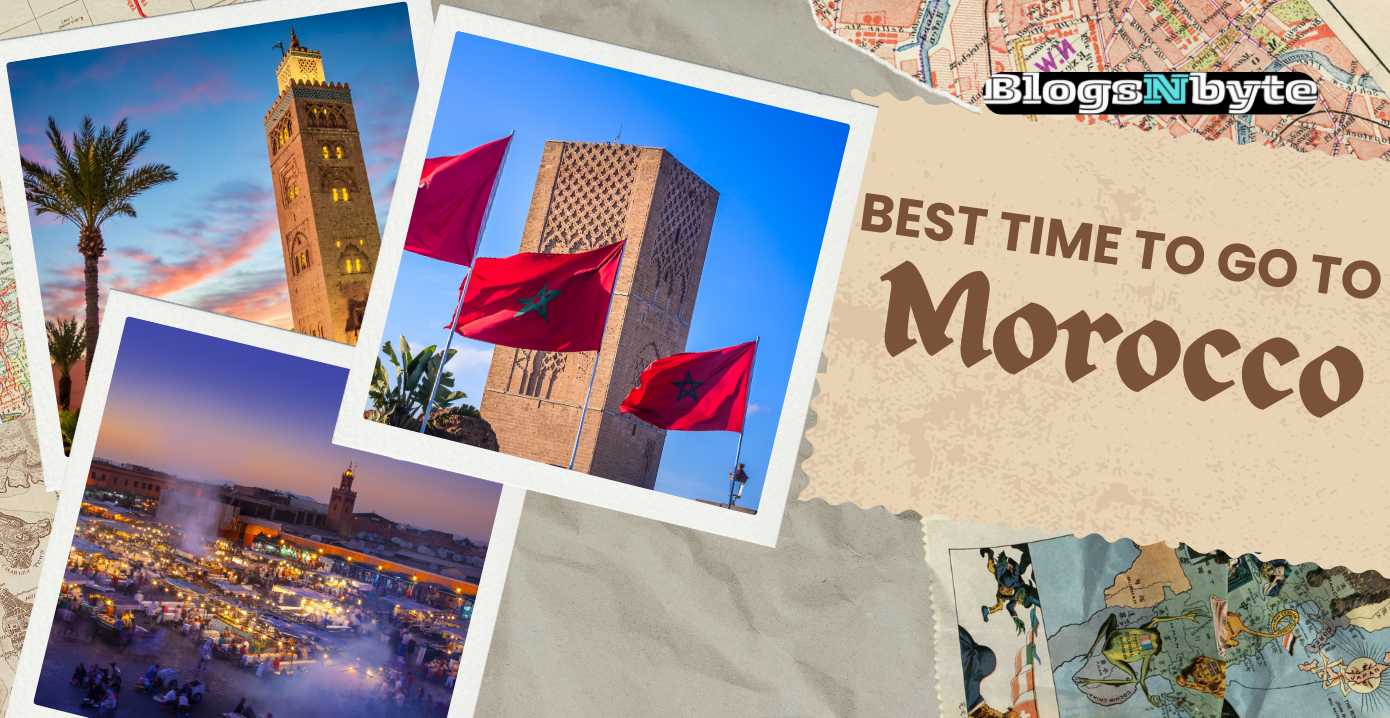
Planning a trip to Morocco requires more than just booking flights and hotels; it’s about knowing the best time to go to Morocco to experience the country at its finest. From the golden sands of the Sahara Desert to the vibrant souks of Marrakech, Morocco offers a rich tapestry of landscapes, culture, and traditions. Choosing the right time ensures comfortable weather, fewer crowds, and the opportunity to enjoy festivals, outdoor adventures, and authentic cultural experiences.
However, weather, festivals, and tourist seasons vary across regions, influencing how enjoyable your trip can be. Knowing the best time to visit Morocco lets you explore historic cities, hike scenic mountains, enjoy coastal retreats, and participate in cultural events without the stress of extreme temperatures or overcrowded attractions.
Whether you’re seeking adventure, cultural immersion, or pure relaxation, timing your journey correctly can transform a simple vacation into an unforgettable Moroccan experience.
Best Time To Visit Key Regions and Activities in Morocco
| Region / City / Activity | Best Time to Visit / Highlights |
|---|---|
| Marrakech | Spring & Autumn – Explore medinas, souks, gardens |
| Fes | Spring & Autumn – Cultural tours, historical sites |
| Casablanca | Year-round – Coastal sightseeing, architecture |
| Rabat | Spring & Autumn – Monuments, museums, seaside walks |
| Essaouira | Spring & Summer – Beaches, windsurfing, music festivals |
| Agadir | Summer & Autumn – Beaches, resorts, fishing festivals |
| Tangier | Spring & Autumn – Coastal views, medinas, nightlife |
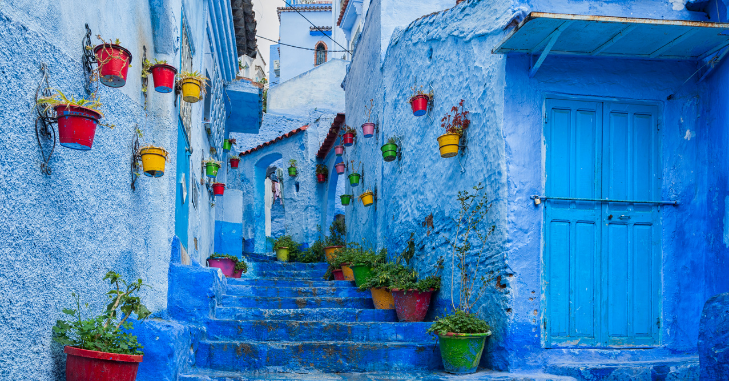
| Chefchaouen | Spring & Autumn – Scenic blue streets, hiking |
| Merzouga Desert | Spring & Autumn – Camel trekking, dune camping |
| Erg Chebbi | Spring & Autumn – Desert excursions, stargazing |
| Atlas Mountains | Spring & Autumn – Hiking, trekking, village tours |
| Oukaïmeden | Winter – Skiing, snow activities |
| Dades Valley | Spring & Autumn – Road trips, photography, hiking |
| Todra Gorge | Spring & Autumn – Rock climbing, nature walks |
| Sahara Nights | Spring & Autumn – Desert camping, stargazing |
| Marrakech Souks | Spring & Autumn – Shopping, cultural immersion |
| Fez Medina | Spring & Autumn – Historical exploration, artisan crafts |
| Moroccan Riads | Year-round – Traditional accommodations |
| Moroccan Cuisine Tours | Year-round – Cooking classes, food tastings |
| Moroccan Festivals | Spring, Summer, Autumn – Music, culture, arts |
| Camel Trekking Tours | Spring & Autumn – Desert exploration |
| Moroccan Beaches | Spring, Summer, Autumn – Sunbathing, water sports |
| Hiking in the Rif Mountains | Spring & Autumn – Scenic trails, village culture |
| Agafay Desert | Spring & Autumn – Day trips, luxury camping |
| Coastal Fishing Villages | Spring & Autumn – Fresh seafood, local culture |
Understanding Morocco’s Climate and Seasons
Morocco’s diverse landscapes, from the Sahara Desert to the Atlas Mountains and Atlantic coastline, create a variety of climates that influence the best time to visit. Generally, Morocco experiences four main seasons: spring, summer, autumn, and winter.
Coastal cities such as Casablanca and Essaouira experience mild weather year-round, while inland areas like Marrakech experience extreme heat in summer and cold winters. Understanding the seasonal variations helps travelers plan trips for maximum comfort and cultural experiences.
Spring, from March to May, offers pleasant temperatures and blooming landscapes, making it ideal for sightseeing and outdoor adventures. Autumn, from September to November, offers comfort, with fewer tourists and moderate temperatures.
Best Time To Go To Morocco for Comfortable Weather

If comfort is a priority, spring (March–May) and autumn (September–November) are the most recommended times to visit Morocco. During these months, temperatures are moderate, ranging from 20°C to 30°C (68°F–86°F) in most cities. Travelers can explore the bustling medinas, colorful souks, and historical sites without being exposed to extreme heat or cold.
Spring brings vibrant flowers, green landscapes, and comfortable days, making it ideal for hiking in the Atlas Mountains or exploring ancient cities like Fes and Marrakech. Autumn offers similar benefits and fewer tourists, allowing for a more relaxed and immersive cultural experience.
Visiting during the summer months (June–August) is suitable only if your plans focus on coastal cities or high-altitude regions. The desert regions, including Merzouga and Erg Chebbi, can reach temperatures above 40°C (104°F), making travel exhausting. In contrast, the winter months (December–February) offer cool, crisp weather, ideal for exploring cities and enjoying winter activities such as skiing at Oukaïmeden.
Experiencing Morocco’s Rich Culture

Timing your trip to align with Morocco’s cultural events and festivals enhances the travel experience. Morocco hosts a variety of festivals throughout the year, each highlighting music, art, and local traditions.
- Marrakech Popular Arts Festival (July): Features traditional music, dance, and theater performances.
- Gnaoua World Music Festival in Essaouira (June): A celebration of Morocco’s unique Gnaoua music with international acts.
- Imilchil Marriage Festival (September): A traditional Berber festival known for matchmaking ceremonies in the Atlas Mountains.
- Fez Festival of World Sacred Music (May–June): Showcases global spiritual music in a historic setting.
Traveling during these events allows visitors to immerse themselves in authentic Moroccan culture while enjoying milder weather in spring and autumn.
Planning Desert Adventures
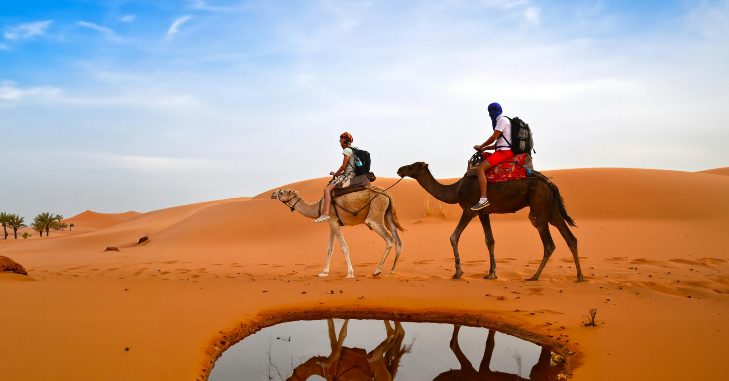
The Sahara Desert is one of Morocco’s most iconic destinations, but timing is key for comfort and safety. The best time to visit the desert is during spring or autumn, when daytime temperatures range from 25°C to 35°C (77°F–95°F), and nights are cooler.
During these months, travelers can enjoy camel trekking, dune camping, and stargazing without the intense summer heat. Winter trips are also possible but require warm clothing for cold nights that can drop below 0°C (32°F). Summer desert trips can be challenging due to extreme heat, but they may suit those looking for short sunrise or sunset excursions from nearby cities.
Coastal Escapes and Beach Trips
Morocco’s Atlantic and Mediterranean coastlines offer ideal retreats for those looking to combine cultural exploration with relaxation. Coastal cities like Agadir, Essaouira, and Tangier maintain moderate temperatures year-round, making them suitable for summer vacations when inland regions are too hot.
- Spring and autumn provide mild weather, perfect for beach walks, kite surfing, and seafood dining.
- Summer attracts tourists seeking warm water and long, sunny days, but it also comes with higher accommodation prices.
Coastal cities also host traditional fishing festivals, such as the annual sardine festival in Agadir, providing cultural experiences alongside leisure.
Exploring Morocco’s Mountains
The Atlas Mountains are perfect for hiking, trekking, and nature adventures. The best times to visit these highlands are spring and autumn, when temperatures are comfortable, and trails are accessible.
Winter offers snow-capped peaks and skiing opportunities in Oukaïmeden, attracting winter sports enthusiasts. Summers can be warm, but the altitude provides cooler conditions than lowland deserts and cities. Exploring mountain villages during these seasons gives travelers a glimpse into Berber culture, local cuisine, and traditional crafts.
Travel Tips for Maximum Fun
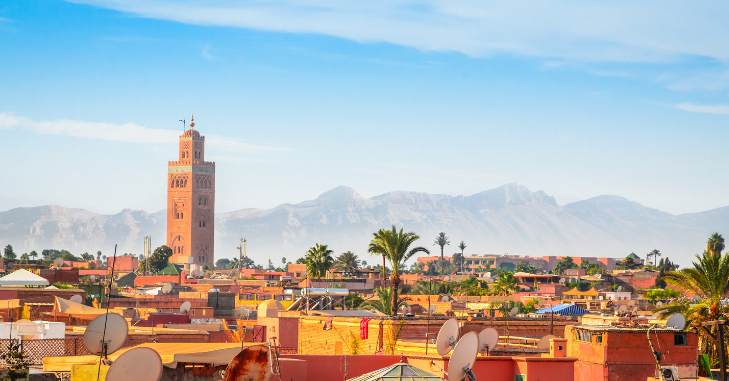
- Book in Advance During Festivals: Popular cultural events can fill hotels quickly. Reserve accommodations early to avoid disappointment.
- Pack Layered Clothing: Morocco’s climate varies widely; layers ensure comfort from cold desert nights to warm city days.
- Stay Hydrated in Hot Months: Summer and desert trips require ample water intake and sun protection.
- Combine Regions for the Best Experience: A mix of cities, mountains, and desert visits creates a well-rounded trip.
- Engage with Locals: Morocco’s warmth and hospitality are best experienced by interacting with locals in markets, cafes, and village tours.
Choosing the Right Travel Months

For most travelers seeking comfort, cultural experiences, and fun, April, May, September, and October are ideal. These months combine pleasant temperatures, lower crowds, and seasonal festivals, ensuring a memorable journey.
- April–May: Spring bloom, mild weather, festivals in Fez and Marrakech.
- September–October: Autumn warmth, fewer tourists, desert adventures at comfortable temperatures.
- Summer (June–August): Best for coastal escapes or mountain visits; the desert may be too hot.
- Winter (December–February): Perfect for skiing and exploring southern cities with cool temperatures.
By understanding Morocco’s seasonal variations, travelers can plan comfortable, culturally rich, and fun-filled trips. Strategic planning helps visitors maximize their experiences while avoiding extreme weather or overcrowded destinations.
Conclusion
Choosing the right time to visit Morocco is key to maximizing comfort, cultural experiences, and fun. By planning your trip in spring or autumn, you can enjoy pleasant weather, engaging festivals, and fewer tourists. Summer is ideal for coastal escapes, while winter offers unique opportunities in the Atlas Mountains and southern deserts.
Understanding seasonal patterns, regional climates, and cultural events helps travelers create a balanced itinerary that combines adventure, relaxation, and authentic Moroccan experiences. With careful planning, your journey to Morocco can be more than just a vacation; it can be a truly unforgettable adventure filled with rich culture, stunning landscapes, and lifelong memories.
Apart from that, if you want to know more about Plan the Perfect Trip Around the Best Lakes in the US: Discover Beautiful Shores, Adventure Activities, and Hidden Destinations then visit our Travel category.
Frequently Asked Questions (FAQs)
The best months are April, May, September, and October, when temperatures are moderate, tourist crowds are smaller, and most regions offer ideal conditions for sightseeing, desert adventures, and mountain hikes.
Yes, but summer (June–August) can be very hot in inland and desert regions, with temperatures sometimes exceeding 40°C (104°F). Coastal cities such as Agadir and Essaouira are cooler and ideal for summer visits.
The Sahara is most comfortable during spring and autumn. Daytime temperatures are warm but manageable, and nights are cooler. Winter trips are also possible but require warm clothing for cold nights.