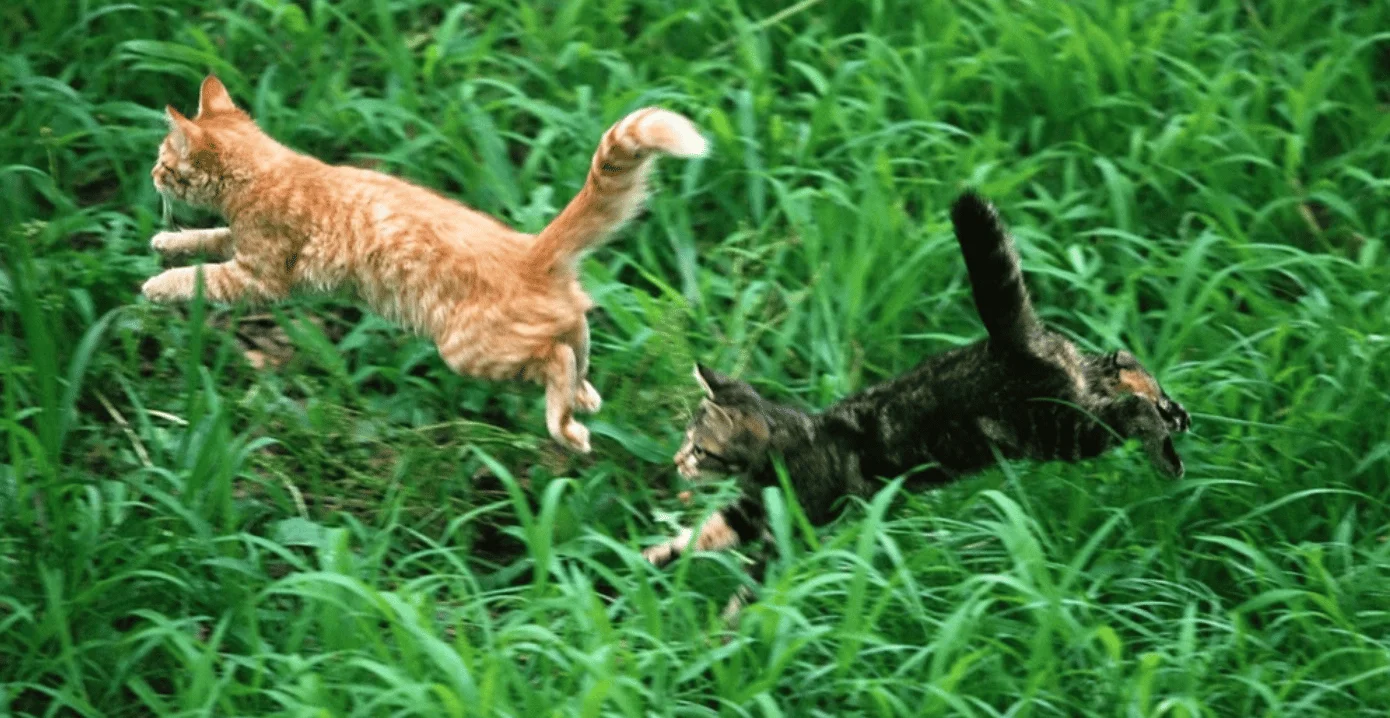
The question “why do cats rub against you?” has more than one answer. Rubbing is a normal way for your cat to communicate through scent and touch. It can express familiarity, trust, a greeting, or a request for something.
Your cat may press a cheek against your hand or weave around your ankles. Those movements often combine several messages at once. Reading the surrounding body language helps you understand which message matters most.
Direct answer: Cats rub against you mainly to exchange scent and communicate familiarity. Facial and body glands leave pheromones that help mark you as part of a safe social environment. The same behavior can also serve as a greeting, show trust, gather information, or request food, play, or attention.
| What you notice | Likely meaning | What you can do |
|---|---|---|
| Cheek or forehead rub | Scent marking, trust, greeting | Let your cat initiate gentle contact. |
| Weaving around your legs | Greetings, familiarity, possible request | Watch where your cat goes next. |
| Tail held upright during rubbing | Friendly social approach | Respond calmly and observe. |
| Rubbing near the food area | Food or routine-based request | Check normal feeding time. |
| Rubbing followed by a nip | Excitement, play, or overstimulation | Pause contact and give space. |
| Sudden frantic rubbing | Possible irritation or health change | Look for other symptoms and contact a vet if needed. |
TL;DR
- Rubbing commonly combines scent marking, greeting, social bonding, and communication.
- Facial glands release chemical signals that people cannot normally detect.
- A rub does not always mean your cat wants prolonged petting.
- Context matters, especially posture, tail position, location, and recent changes.
- New or excessive rubbing with other symptoms deserves veterinary attention.
Why Do Cats Rub Against You? The Main Reasons
Scent communication is one of the biggest reasons for this behavior. A cat has scent-producing glands around the cheeks, chin, lips, head, and other body areas. Facial rubbing deposits chemical signals onto people, animals, and familiar objects.
These scent signals can help create a familiar social environment. Friendly felines also rub against preferred companions and other members of their social group. Veterinary behavior guidelines describe this type of rubbing as affiliative communication and a sign of familiarity.
Rubbing can also function as a friendly greeting. You may notice it after returning home or waking in the morning. A relaxed approach often means your pet recognizes you as a familiar social partner.
The behavior can carry a practical request at the same time. Your pet may want dinner, play, access to a room, or physical attention. The location and timing often reveal more than the rubbing itself.
If vocalizing accompanies the interaction, look at both signals together. A trill or familiar meow can add useful context to the greeting. Our guide to common cat sounds explains how vocal signals change meaning with posture and circumstances.
What Different Types of Cat Rubbing Can Mean
Head and cheek rubbing
A firm forehead bump or cheek sweep is often called bunting or head bunting. Facial glands can deposit pheromones during this contact. VCA describes head bunting as a behavior associated with bonding, familiarity, and scent communication.
A familiar pet may repeat the gesture on your hands, face, furniture, and door frames. That habit does not reduce the social meaning when the same behavior involves you. Familiar scents around important spaces can help create a predictable environment.
Rubbing against your legs
Leg rubbing comes easily because your ankles sit at a comfortable height. Your pet can press the face, flank, and tail against you while walking past. The movement may combine greeting, scent transfer, and a request for attention.
Watch what happens immediately afterward. A pet that walks toward the food bowl may be making a dinner request. One that stays close with relaxed posture may be seeking social contact instead.
Wrapping the tail around you
Some friendly approaches end with the tail brushing or curling around a leg. Tail contact can accompany social rubbing between familiar individuals. It should still be interpreted with the rest of the animal’s posture.
A relaxed body and upright tail usually create a different picture from crouching or flattened ears. Body language works as a complete system rather than isolated gestures. That principle also helps you interpret vocal behavior more accurately.
Does Rubbing Mean Your Cat Loves You?
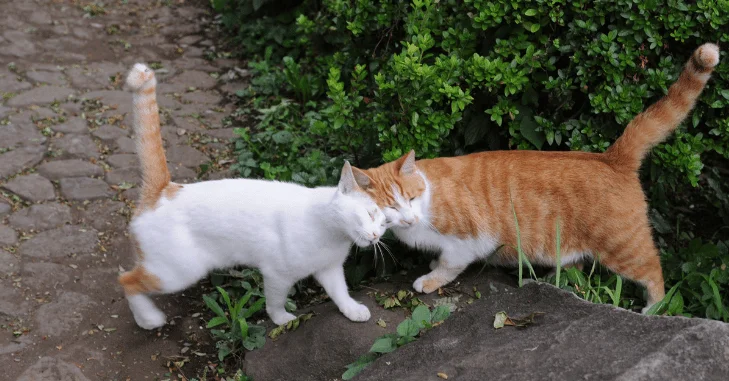
Rubbing can be part of an affectionate relationship, but “love” is a human interpretation. Behavior experts more precisely describe it through trust, affiliation, familiarity, and social bonding. A relaxed animal voluntarily approaching you provides stronger context than the rub alone.
That distinction does not make the interaction less meaningful. Choosing close physical contact can indicate that your pet feels comfortable around you. Familiar scent also helps reinforce that comfortable social connection.
Pay attention to accompanying signals such as relaxed eyes and loose posture. Purring or trilling may occur during friendly interactions too. Vocal cues such as trills and soft meows add even more context when you read them alongside those signals.
Why a New Cat May Rub Against You
A rub from an unfamiliar animal should not automatically be treated as permission for extensive petting. Rubbing can help the animal collect information while exchanging scent. PetMD notes that unfamiliar animals may use rubbing while investigating a new person.
Allow the animal to control the pace of contact. Offer a hand without reaching over its head or restraining it. If it moves away, respect that choice and wait for another approach.
This matters with friendly outdoor animals as well as recently adopted pets. Familiarity develops through repeated safe interactions rather than one gesture. Calm observation gives you more information than immediately reaching for the animal.
Why Does a Cat Rub Against You and Then Bite?
Friendly rubbing and biting can happen during the same interaction. The animal may become overstimulated after physical contact continues longer than desired. Playful excitement can also turn a social greeting into a quick nip.
Stop touching when you notice mounting tension or repeated tail movement. Let your pet decide whether to restart contact. Punishment can increase fear without teaching the animal what type of interaction you prefer.
Young animals can also have strong play-related biting habits. Development, enrichment, and appropriate toys influence how those habits change over time. See our guide to when kittens calm down for more help with energetic juvenile behavior.
How Should You Respond When Your Cat Rubs Against You?
Start by observing before touching. Look at the ears, tail, posture, eyes, and direction of movement. Those clues can separate a relaxed greeting from a food request or an attempt to gather information.
If your pet remains relaxed, gentle head or cheek contact may be welcome. Research-based feline guidelines note that many individuals prefer touch around the head and facial regions. Give your pet frequent chances to move away rather than holding it in place.
Routine also gives rubbing clearer meaning. A repeated ankle weave before breakfast probably has a learned component. The same movement after you return home may function more strongly as a social greeting.
Kittens may change their social habits as they mature. Physical development and experience can influence energy, confidence, and daily routines. Our guide on when cats stop growing covers those changes in greater detail.
When Excessive Rubbing Can Be a Warning Sign
Normal rubbing usually does not require intervention. A sudden increase deserves more attention, especially when the behavior becomes frantic or unusually persistent. The important clue is a change from your pet’s established pattern.
Veterinary sources list skin irritation, fleas, allergies, ear problems, and some neurological conditions among possible causes of excessive rubbing. Scratching, hair loss, head tilting, confusion, or major behavioral changes strengthen the reason for an examination. Do not try to diagnose the cause from rubbing alone.
Head pressing should also be distinguished from ordinary affectionate bunting. Normal bunting involves brief, purposeful rubbing and social interaction. Persistent abnormal behavior or neurological signs warrant prompt professional veterinary advice.
Changes matter more than frequency alone. One healthy pet may rub against family members dozens of times during a normal day. Another may use physical contact much less often and still have a strong social relationship.
Does Cat Rubbing Spread Allergens?
Physical contact can transfer fur, dander, saliva residues, and other material onto clothing. That may matter for people who experience feline allergies. The rubbing behavior itself is normal, but sensitive owners may need practical exposure controls.
Wash your hands after close contact if allergies are a problem. Cleaning fabrics and limiting face contact may also reduce exposure. Our guide to cats and allergy-friendly choices discusses allergens and household management in more detail.
You do not need to discourage normal social behavior solely because the animal leaves scent. Human noses generally do not detect feline pheromone deposits from facial rubbing. Those chemical messages are designed primarily for feline communication.
Frequently Asked Questions
Why do cats rub against you and purr?
Rubbing and purring often occur during comfortable social interactions. Together, they may accompany greeting, relaxation, or a request for attention. Purring alone does not prove happiness, so consider posture and behavior too.
Why does my cat rub against my legs before feeding?
Your pet may have learned that approaching and rubbing receives a response. The routine can combine social scent marking with a learned food request. Following the animal after the rub often makes the intention clearer.
Why does my cat rub its face on me?
The face contains several scent-producing gland areas used during rubbing. Cheek and head contact can deposit pheromones while reinforcing familiarity. With relaxed body language, it commonly occurs during friendly social contact.
Should I pet a cat that rubs against me?
You can offer gentle contact when the animal remains relaxed and continues approaching. A rub does not guarantee that prolonged petting is wanted. Pause often and allow the animal to choose whether interaction continues.
Why is my cat suddenly rubbing against everything?
A modest change may reflect environmental or social circumstances. Sudden excessive rubbing can also accompany itching, ear trouble, or another medical issue. Contact your veterinarian when the change persists or appears with additional symptoms.
Understanding the Message Behind the Rub
Rubbing is one of the clearest examples of feline communication using scent and touch together. The same movement can express familiarity, greeting, trust, curiosity, or a practical request. Context helps you identify which explanation fits your pet.
Watch what happens before and after each interaction instead of translating every rub the same way. That habit will help you recognize both ordinary communication and meaningful behavior changes. If something suddenly looks unusual, document the change and discuss it with your veterinarian.